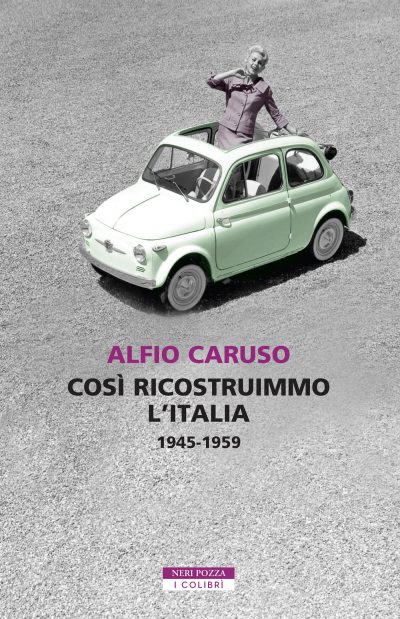
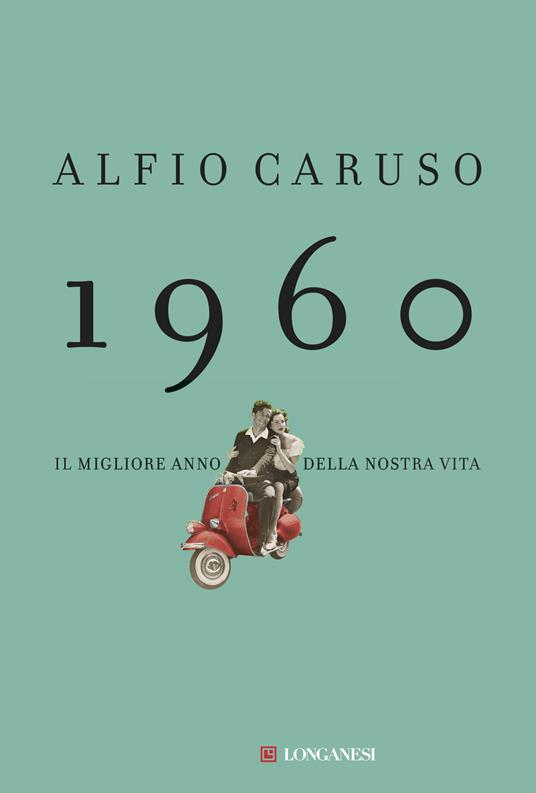
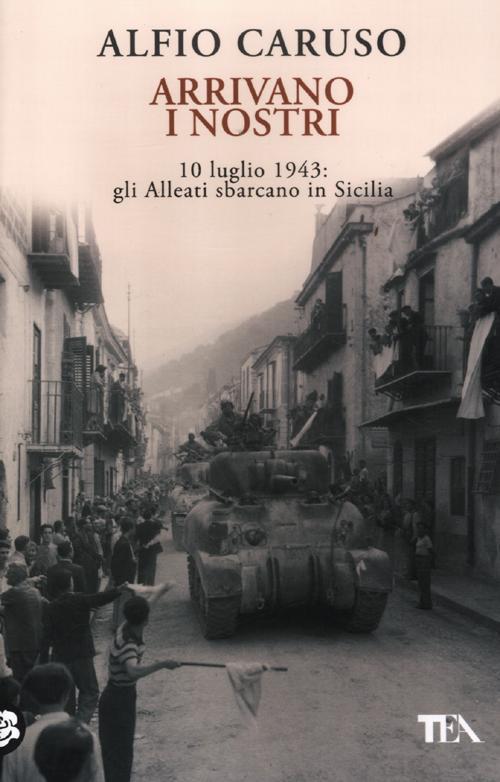
The extraordinary growth of a war-torn country during the years after WW2.
In 1945, Italy was in the same disarray as other European countries. Transport networks, industries, and housing had suffered severe damage, and living conditions were harsh. Poverty, hunger, and unemployment were rampant. Economic recovery was slow and Italy was a divided nation.
In the north and centre, there was a strong desire for change and a democracy that would serve the interests of the people. They did not want pre-fascist liberal Italy; they wanted a democracy that was more responsive to the emerging needs of the masses. In the South, on the contrary, the traditional ruling classes were backed by the Allies and had maintained political and social dominance. The book explains how the subsequent growth, due to the spread of mass consumer goods and the leisure industry, created a disproportionate level of prosperity. It accentuated the historic gap between North and South, influencing a massive migration to the North and profoundly changing the country’s demographics.